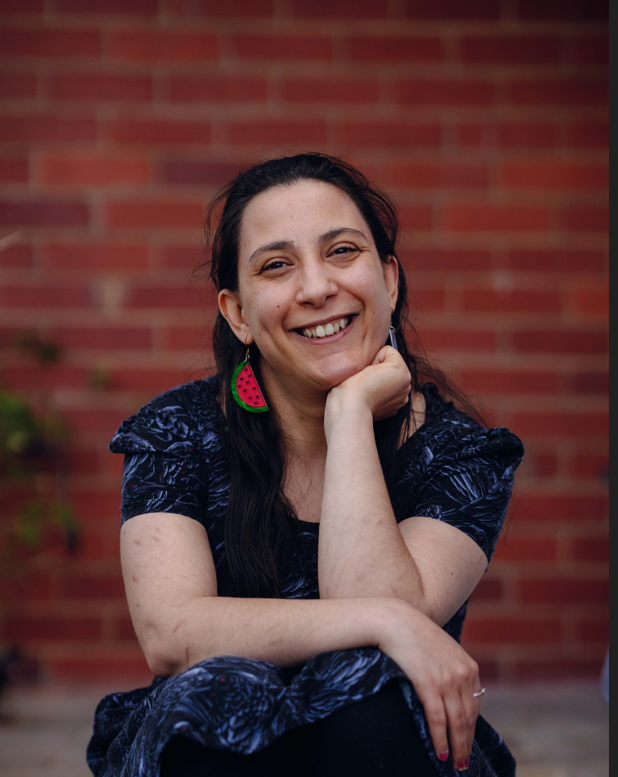
JoJo is a special education teacher from Chicago, Illinois, with a specific interest in Behavioural disorders, AAC communication tools and various other skills to support children, school students, teaching staff and others with disabilities, including Autism and intellectual disabilities. She has worked within the sector for the past eight years.
What first inspired you to work in the sector?
That is actually a question I don’t have the answer to. I am not sure what truly sparked my love for special education, but I do attribute part of it to growing up in inclusive environments. I remember attending an inclusive preschool and day camps as a child. I made friends with other kids with significant disabilities at an age when I did not necessarily register our differences. I continued making friends in that manner throughout the rest of my education.
I was a pre-teen when I knew I wanted to be a special education teacher and my passion has never wavered.
In 2024 JoJo decided branch out and create her own small business, Access For All, adapting children's toys for children with special needs via the small online business marketplace, Etsy.
What led to your fascination and passion to want to create switch adapted toys?
I first began exploring assistive technology (AT) while student teaching. I had a student who used augmentative alternative communication (AAC) and it instantly clicked that assistive technology would be a necessary tool in order for my students to reach their full potential. During my 5th teaching year, I had all students with severe/profound intellectual disabilities and medically complex bodies.
We had very little funding for higher technology for academic purposes, let alone toys that were accessible to my students.
Accessible toys are heart-wrenchingly expensive and usually not within the budget of most teachers or families. I ended up buying switch adapted toys from a different Etsy shop out of my own pocket.
A year later I began switch adapting things myself. I used a teacher specific crowd funding site to buy the toys that I adapted for my students and that complemented our lessons.

How did you begin adapting the toys? Did you have any formal training or instruction from anyone?
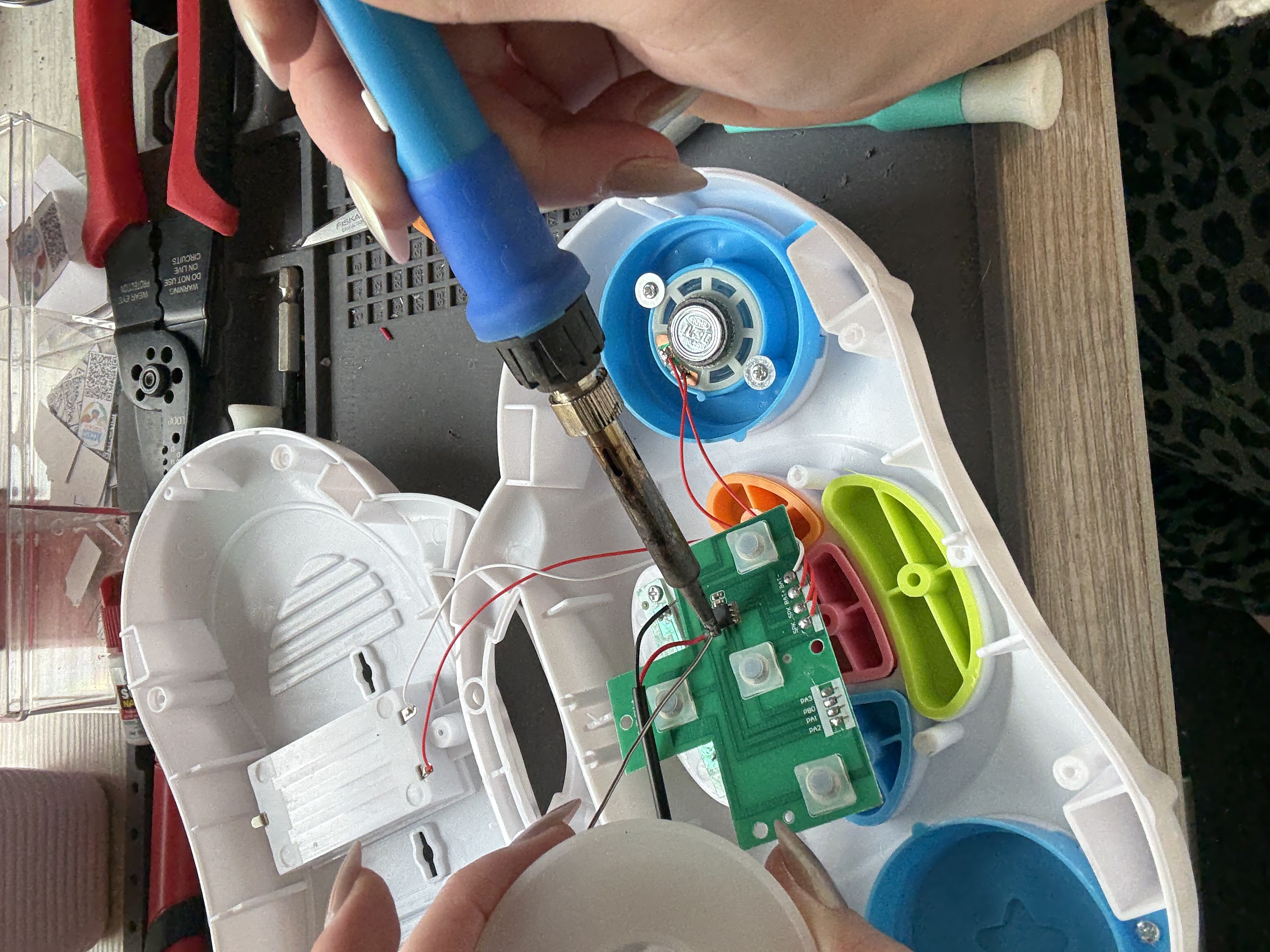
I watched lots of Youtube videos. I ordered the necessary supplies based off a list I found on a blog and watched some different videos. I started with stuffed animals, which is a truly simple process. From there I moved into hard plastic toys with simple on/off buttons.
I noticed a lot of toys are built very similarly and began wondering if I would be able to adapt certain things as I was out and about shopping. Soon enough I was fiddling with circuit boards and adapting all sorts of things.
In my 7thyear, I moved into an AT/AAC instructional coaching position for my school district. I kept buying things while shopping and adapting them as a hobby. I would then donate the toys to different classrooms throughout the school district. However, at one point I couldn’t continue funding my hobby out of pocket. That is how I ended up creating an Etsy shop. I try keep my prices as low possible while still covering the cost of goods and fees.
It tickles me that I get to send accessible toys to people all over the world now.
What has been the most challenging aspect of creating your own start-up business, and in your opinion, how successful has it been for you?
Honestly, probably managing the finances. I have no formal background in finances beyond reading books and blogs. I was not cash flow positive for the entire first year of my business. I was using all of my profits to buy bulk toys as they went on clearance so I could snag them at as low of a price as possible. A lot of those toys were seasonal and I knew probably wouldn’t sell for a year.
However, my enthusiasm kept me going and I have been cash flow positive for the entirety of my second year in business.
I have been able to use the additional profits to host inclusive events in my community.
What are your hopes for the future of Switch adapted toys?
I hope to not continue making switch adapted toys forever. It is a fun hobby for me but also a serious access barrier that many people face. Play is a vital stepping stone in building independent switch access skills for individuals with complex bodies.
I hope that switch adapted toys become more financially accessible in the mainstream market so that everyone has the opportunity to play.
Do you supply switch adapted toys to various healthcare providers at all, (Physiotherapists, Occupational Speech and play therapists, Paediatricians) or do you hope to in the future?
I know I have had people of all backgrounds purchase toys but would say a majority of buyers have been family members of individuals with disabilities. I get messages from families, healthcare providers, and teachers thanking me for offering low-cost switch-adapted toys. It feels very full-circle because I remember sending that same message myself four years ago.
What has been your biggest selling item to date and why?
I have sold a light-up rainbow bubble blower the most, followed closely by a mini fan. I think it is the best seller because bubbles are reinforcing for so many people and the bubble solution is contained within a bottle so it is less likely to spill. It’s easy to understand because who doesn’t love bubbles? I think the fan is popular also because it offers a physical sensory experience.
Australia is the third most popular country I ship to after the USA and the UK. I have shipped to 15 different countries around the world. I admire certain aspects of special education in Australia and even looked into doing a teaching program there for a brief time. I am a big fan of Australian speech pathologist and special educator Jane Farrall who is based out of Gawler, South Australia.

Can you tell me about a time where you saw all of your hard work around your work and educational studies come to fruition – either via your work in AAC, schools or with something you’ve sold in your shop that has left a lasting impact on someone?
When I was working as an AT/AAC instructional coach I was the first person to meaningfully introduce accessible items to a lot of students. Everyone has a different journey with AT and it is an instant click for some, while it’s a slower journey of exploration for others.
Getting to do that with students who have combined physical and speech/language disorders was always incredibly rewarding. I think it must be like a doctor delivering a baby in the sense that it never gets old.
A specific testimonial would be when I introduced a 60 cell AAC device to an 11 year old student during my 2nd year of teaching. He had shown little interest in his peers devices in the years prior but I still gave it a go. Pretty quickly into the school year he began consistently choosing symbols for things that we began recognizing as his favourite foods, animal, and colour. He wasn’t using it to answer questions correctly in class but he was authentically expressing himself and that was the key. We took a field trip [excursion] to a restaurant and his mom (sic) told me prior that he would want a hot dog. However, when we got there he used his AAC device to request a cheeseburger.
It was a small thing, but I recognized that without AAC, he probably wouldn’t have been able to pick his own food of preference just as many 11 year olds do.
It’s even the small choices over our autonomy that can be taken for granted.
What are your future career plans in Special Education? Do you think your small business will become something you will pursue full time?
I have actually taken a step back from working full-time and am currently pursing my PhD in Special Education at the University of Missouri-Columbia. I just completed my first semester and am on track to graduate in May 2029. I am funded by a federal grant for mutli-tiered mental health behaviour supports for students. However, my own independent research focuses on AAC, AT, peer mentoring, and inclusive education. I am still operating my small business while being a full-time student.
You can find JoJo's Access for All Etsy shop here.

Marketing Officer
CPSN