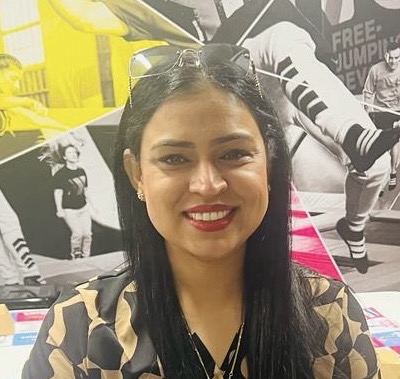
What is your role at CPSN and what does a typical day look like for you?
“In my work as our Supported Independent Living (SIL) Team leader, no two days look the same, but they all start the same way - a warm good morning to our clients, then a quick check-in with the staff to set the tone for the day ahead.”
Harsh tackles what needs urgent attention, making sure the previous day's documentation is complete and accurate, and keeping everything running smoothly behind the scenes. Some days are challenging, while other days bring small, meaningful wins. He says that the work never really ‘stops,’ but for him, that's exactly what makes it so rewarding.
“The part that matters most (to me) isn't on any checklist. It's the time spent simply being with our clients. Sharing a conversation, a few laughs, and talking about the things they love.”
Harsh joined the CPSN team earlier this year and has been buoyed by how positive the start to the role has been and by the opportunity to contribute to the organisation in a meaningful way. He has particularly valued being able to help build and maintain a strong, positive team culture. Harsh is motivated by the ripple effect that a strong support team can create, and it has been especially rewarding to experience that from the outset in his new role.
“When staff feel supported and the culture is positive, that energy reaches the people we care for - they feel it in every interaction. Coming from a nursing background, I've always believed good care starts with good people who feel valued. Building that environment, and seeing the difference it makes day to day, is what keeps me motivated.”
His motivation to study nursing was influenced by his mother who was also a nurse. At 16, Harsh and his friends thought of an idea to start at Non-Government organisation (NGO) to support children with Thalassaemia, an inherited blood disorder.
“There was no government support, and children with the condition had very short life expectancies. Some of them would walk 50 to 60 km from their villages to reach the nearest hospital. My mother was a nurse at that hospital, and she told us about what these families were going through, so we decided to do something. Instead of spending our weekends at the movies, we spent time playing with the kids, sought funding from local organisations to arrange transport for families who needed it, and cooked meals and snacks for them. I said to my friends: ‘No one has a guaranteed life. Let's help someone spend their time better, and time will serve us better, and I tried to get them to join me to help out.”
When Harsh arrived in Australia, he learned about the NDIS while studying, and he was very surprised that our government support people in need, which was not the case back home. He found disability work in Australia very rewarding.
“Once I started working in disability, I knew it was where I'd stay. The satisfaction of seeing someone happy or seeing them achieve what they set out to do, is what keeps me motivated to work harder in the healthcare industry - to make a change in someone's life and help them spend their time in a better way.”
What do you think the sector still gets wrong - or overlooks, when it comes to supporting people with a Disability?
I think the sector sometimes overlooks how closely health and support are connected. With my nursing background, I notice it: changes in someone's behaviour or mood can have a clinical cause. Pain, medication, something undiagnosed, but they're not always read that way.
"Supporting someone well means seeing the whole person, not just their support plan."
That's something I'm conscious of bringing into how we work, and it's where I think genuinely person-centered care starts.
Is there a moment or story that’s stayed with you during your time at CPSN (so far) that you'd be willing to share?
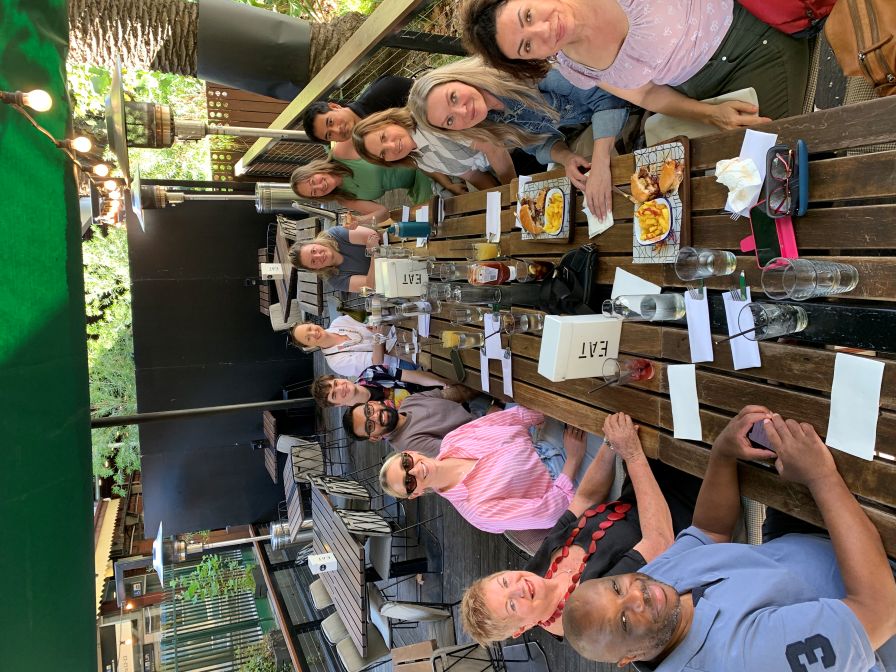
One moment that's stayed with me happened on my second day. I joined a staff connection day, and rather than feeling like the new person on the outside looking in, I got to meet everyone properly - to learn their personalities, their quirks, what makes each of them them. Walking away that day, I already felt part of something. For it to happen that early told me I'd come to the right place.
What makes CPSN stand out among other sector Service Providers in their approach to supporting clients and Staff?
What stood out to me from the start is how seriously CPSN takes both sides of the equation, clients and staff. A lot of the conversation in this sector focuses on one or the other, but here they're treated as connected.
“When staff feel genuinely supported and part of a strong culture, that care flows directly to the people we work with. I felt that culture from my second day. That joined-up approach, looking after the team so the team can look after others, is what's made the biggest impression on me so far.
Harsh says CPSN’S culture is warm, welcoming, and people-first. He says our values and work ethics matches his model of how he likes to work. People first, staff and clients.
“I'm grateful to the team and the people I support for making the start of this chapter such a good one.”
What are your top three (3) tips you can share that you’ve learnt from doing your role/ having the life experience you do?
1. See the whole person. Behind every support plan is someone with a personality, a history, and a bad-day-good-day rhythm of their own. My nursing background and skills has taught me to look past the surface. Sometimes what looks like "behaviour" is really an unmet need.
2. Culture isn't a soft extra - it's the work. When staff feel valued and supported, that care flows straight through to the people we work with. Look after your team, and they'll look after everyone else.
3. Connection comes before everything. Take the time to actually know people - their quirks, their humour, what they love. The relationship is the foundation; the tasks come second.
What have people with lived experience (of disability) taught you that you couldn’t have learned elsewhere?
“One of the people I support says the same thing to me almost every day: she never loses hope, "where there's a will, there's a way."
It's such a simple line, but coming from her it's taught me something no training ever could: that mindset and determination aren't things you assess on a care plan. She reminds me daily to lead with optimism, and that the people we support often have just as much to teach us. That's stayed with me more than she probably knows.
Outside of work, what are we most likely to find you doing? What are your hobbies and interests?
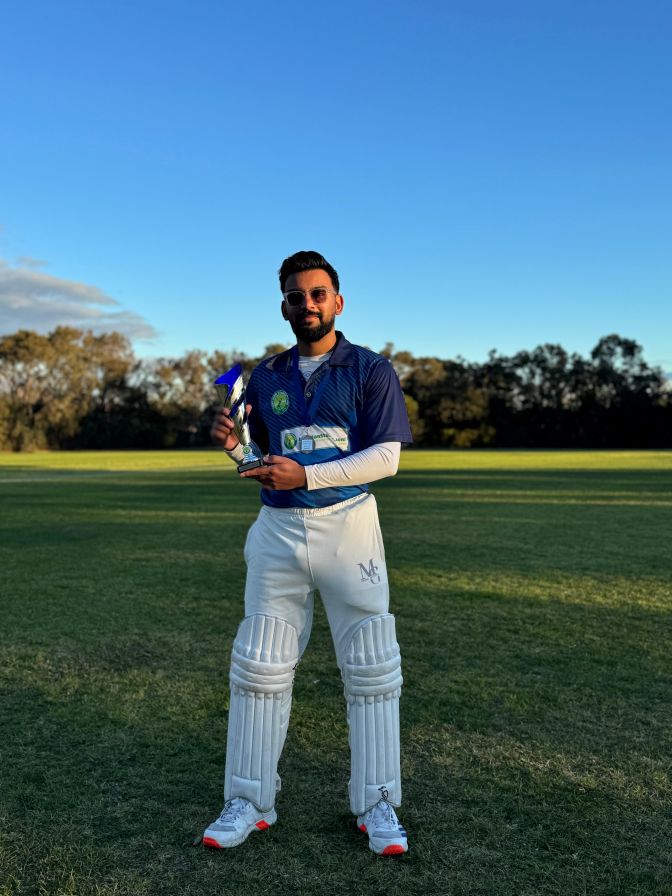
Outside of work, you'll usually find me in my cricket gear, it's been my passion since childhood. I also do a bit of hair modelling, spend time at the gym, and love heading out to take photos whenever I get the chance. And when I'm not doing any of those? I'm with my family which is honestly my favourite thing of all.
CPSN 's Cranbourne property currently has a vacancy. If you’d like to find out more about it you can enquire here or view our walk through video here.

Marketing Officer
CPSN